H&M Group: Bringing existing nature action into one science-based strategy
Company:
H&M Group
“SBTN has given us a clear framework around the work we have already been doing, and a valuable opportunity to make that work more concrete and more strategically integrated.”
Leyla Ertur, Chief Sustainability Officer, H&M Group
Why SBTN?
For H&M Group, science-based targets for nature offered a way to bring decades of work on materials, water, chemicals, deforestation and biodiversity into a more coherent strategic approach.
As a global fashion and design company, H&M Group depends on land, water and raw materials throughout its value chain. Understanding nature-related dependencies and impacts is increasingly important for sourcing, risk management and long-term resilience.
As Chief Sustainability Officer Leyla Ertur explains:
“When your strategy is backed by science, the conversation becomes more focused and more credible.”
From existing action to science-based targets
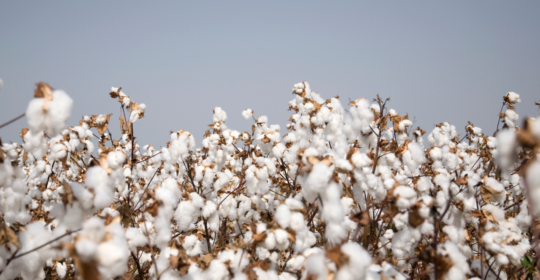
H&M Group was an original participant in SBTN’s early company pilot. It subsequently completed and publicly disclosed its science-based assessment and prioritization of its nature-related impacts. The exercise helped the company confirm priority landscapes and raw materials, including cotton and wool.
The company mapped its wider sustainability agenda against the SBTN assessment and connected the work with ESRS, TNFD, transition planning and other reporting processes. It also built on existing programs and partnerships, including work with WWF, Textile Exchange, Better Cotton Initiative, Canopy and ZDHC.
Tools such as WWF’s Risk Filter Suite helped H&M Group deepen its understanding of impacts and locations and identify where further analysis and action were needed.
Building on this work, the company adopted science-based targets for land, including targets on no conversion of natural ecosystems, reducing its land footprint, and engaging in materially relevant landscape initiatives.
Freshwater represents the next major chapter of H&M Group’s science-based target-setting work.
Value in practice
Importantly, the process did not mean starting again. It confirmed alignment in several priority areas while also highlighting opportunities to strengthen the company’s approach, particularly around freshwater impacts associated with raw-material production.
SBTN has also helped H&M Group shift from a broad biodiversity ambition toward clearer targets, stronger data and governance, and a more integrated transition plan. The company sees validated, science-based targets as providing a stronger basis for board, investor and regulatory conversations and supporting evolving reporting requirements.
For H&M Group, starting early has also created longer-term value. As Jennie Granström, Biodiversity Impact Lead, reflected:
“Because we started with the focus on SBTN so early, we are now well prepared to meet the expectations on the legislative side. It would be very difficult without having done this journey.”
What they learned
H&M Group’s experience points to a few practical lessons for other companies: start before every data point or process is perfect; build on existing programs and investments rather than treating SBTN as a parallel agenda; and give the work clear internal ownership, senior sponsorship and access to the right data and expertise.
Above all, the company’s experience suggests that the value of SBTN is not only in setting targets, but in creating a clearer, science-based way to organize existing action, identify gaps and prepare the business to manage nature more systematically over time.
Learn more:
- Find H&M’s targets, along with details about their materiality assessment and prioritization work on the SBTN Target Tracker.
- H&M’s leadership shared their perspective on the business case for science-based targets alongside other companies in the Step Up for Nature report. Read the full report here.
- Learn more about SBTN Land targets
- Find more case studies