
H&M Group adopts science-based targets for land
March 19, 2026 – Global fashion company H&M Group has adopted science-based targets for land – aimed at reducing land-related pressures on nature across its supply chain. The targets were developed using the methods of the Science Based Targets Network (SBTN) and validated through the Accountability Accelerator.
This announcement reflects growing momentum for science-based targets for nature, with more than 150 companies preparing to set targets, and 30 companies publicly signaling their ambition through SBTN’s Step Up for Nature initiative.
Reflecting on this important milestone in the company’s nature action journey, Leyla Ertur, Chief Sustainability Officer at H&M Group said:
“The threats and depletion of nature also impact the resources our industry relies on —soil health, water cycles, biodiversity. By committing to SBTN’s land targets, we anchor our decisions in science and strengthen our ability to safeguard ecosystems together with our supply chain, farmers, and communities.”
SBTN CEO, Erin Billman, added:
“By adopting land science-based targets, H&M Group is taking a measurable, science-driven step toward addressing global nature loss. By engaging with a rigorous framework to reduce land-related pressures and support improved outcomes in priority sourcing landscapes, H&M Group is demonstrating how companies in complex global value chains can translate ambition into a clear, accountable pathway for action.”
Using the SBTN’s methods, H&M Group began by assessing and prioritizing its nature-related impacts. The exercise helped the company confirm priority landscapes, with a focus on cotton and wool.
Building on this preparation work, the company has adopted science-based targets to address its impact on land – including targets to address no conversion of natural ecosystems, to reduce its land footprint, and to engage in materially relevant landscape initiatives.
H&M Group’s land targets include:
- No Conversion of Natural Ecosystems targets: H&M has a target for their upstream impacts, with low exposure to conversion of natural ecosystems in its direct operations. See full details on the SBTN Target Tracker.
- Land Footprint Reduction target: H&M Group commits to reduce absolute agricultural land footprint from upstream impacts 3.85% by 2030 from a 2019 base year.
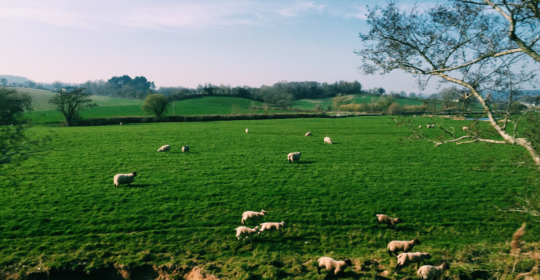
- Landscape Engagement target: H&M Group is engaged in the Regenerative, Ecologically and Economically viable agriculture (REEVA) project in Central India and in the Regenerative Wool Project in the Eastern Cape Drakensberg Grasslands of South Africa, and committed to a substantial improvement in ecological and social conditions by 2030.
Natasha Matic, Executive Director of the Accountability Accelerator, said:
“Congratulations to H&M Group on adopting new science-based targets to address its impact on land. Independent validation ensures these goals are credible, robust and comparable. By publicly adopting them, H&M Group is embedding accountability from the outset – the essential foundation for action.”
H&M Group’s announcement follows several other recent corporate disclosures, including URW’s freshwater targets and Novo Nordisk’s science-based materiality assessment and prioritization.
Find H&M Group’s full disclosure information, along with that from other leading companies taking validated action on SBTN’s Target Tracker.
Is your organization ready to step up for nature alongside companies like H&M? Find out how to get involved here.